Rollover Options
Should You Choose: Direct Rollover or Indirect Rollover
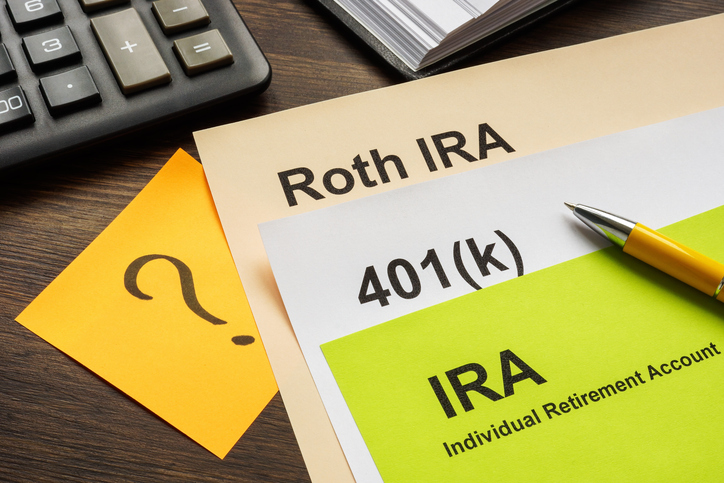 Once you decide to roll money from one account to another, you have two choices of how to handle the transfer: a direct rollover or an indirect rollover.
Direct Rollover
Funds from one retirement account—such as a 401(k) from a previous employer—are directly transferred to another, like an IRA. Since the money never passes through your hands, you avoid taxes and penalties on the transfer. Once completed, the process is seamless and final.
Indirect Rollovers
Funds are sent to you first rather than directly into your new retirement account. The issue? You have only 60 days to reinvest the money into another retirement plan—otherwise, you’ll face taxes and penalties.
That’s why a direct rollover is the preferred option. It eliminates the risk of unnecessary taxes and penalties, ensuring a smooth and hassle-free transfer of your retirement funds.
Do I Have to Pay Taxes When I Roll Over a 401(k)?
It depends on whether you're switching to a different type of account during the rollover process:
Traditional 401(k) to a Roth 401(k) or Roth IRA –
This process, known as a Roth conversion, requires you to pay taxes on the transferred amount, potentially resulting in a significant tax bill.
Roth 401(k) to another Roth 401(k) or Roth IRA –
Moving funds between Roth accounts is generally tax-free, except for employer contributions. These contributions are treated as traditional funds and will be subject to taxes if rolled into a Roth account.
Traditional 401(k) to another traditional 401(k) or traditional IRA –
If you transfer funds between traditional accounts, you won’t incur taxes on the rollover. However, you’ll still owe taxes when you begin withdrawing in retirement.
We’re Here to Help with Your 401(k) Rollover
Contact us as the Farrar Financial Group and let us guide you through the entire 401(k) rollover process while helping you identify the best investment opportunities to enhance your portfolio.